pip / Options Protocol

Options Protocol

The market underneath.

pip is the front door. Options Protocol is the permissionless layer where anyone can post collateral, write calls and puts on Stock Tokens, earn the premium, and let the oracle settle it. Robinhood put stocks onchain. This puts the derivatives market on top.

0

Ways to write: covered call, cash-secured put, margin.

0.5%

Protocol fee on premium, split to LPs, treasury and insurance.

1.2s

Oracle cadence. Every contract is marked on every print.

100%

Of covered and cash-secured positions are fully collateralised.

Architecture

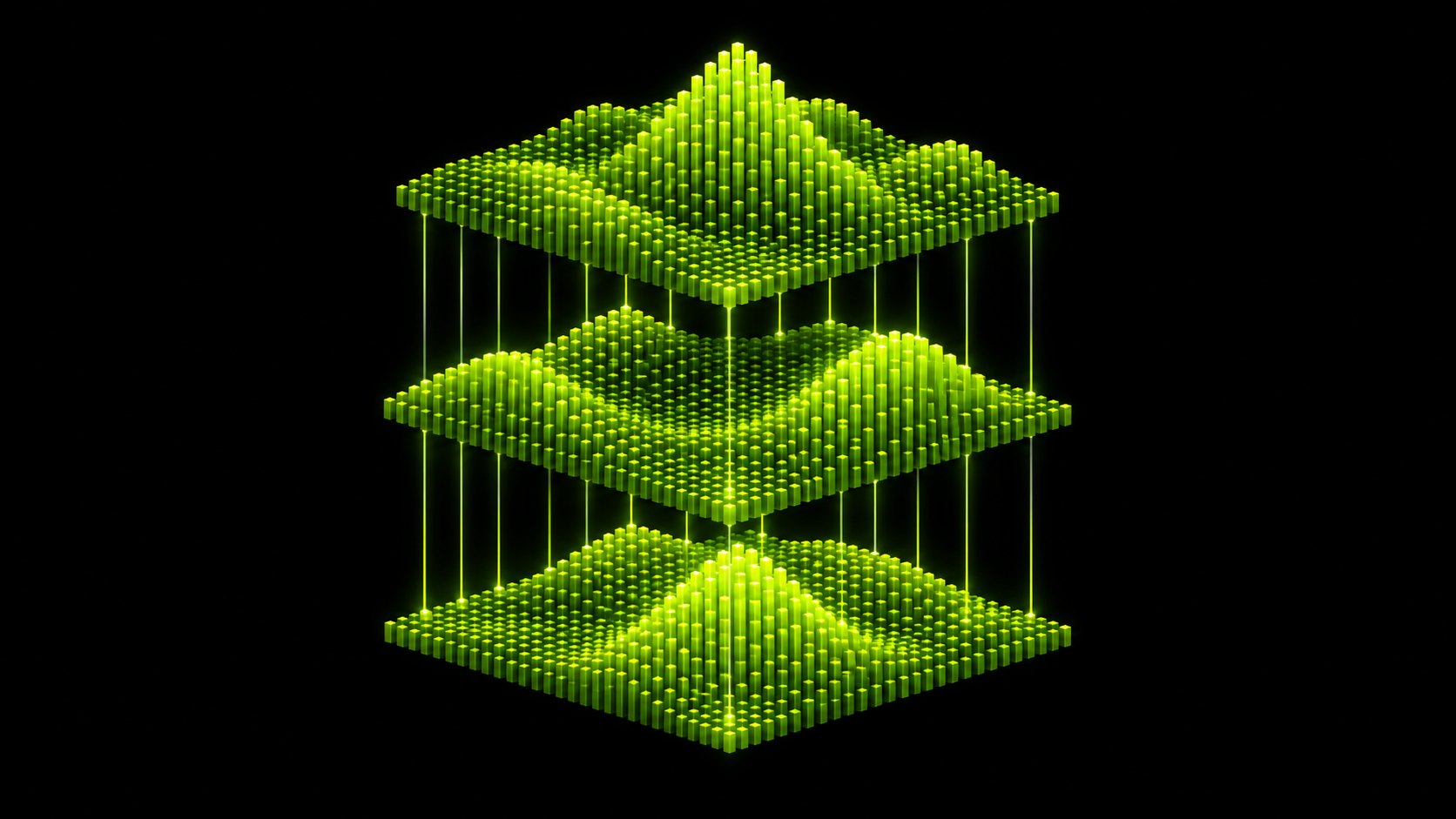
Five contracts, one loop.

Collateral goes into vaults, the pricing engine quotes against the oracle, the clearing contract matches buyers and writers, and settlement pays out at expiry. Everything lives on Robinhood Chain.

Input

Stock Token oracle

Signed spot prices for 190+ tokens every 1.2s. Median of three signers with a deviation guard.

Input

Vaults

Writers lock Stock Tokens or USDG. Collateral is segregated per writer and per expiry.

Core

Pricing engine

Fits the vol surface from fills and quotes, then prices every strike and expiry with Black-Scholes plus a liquidity spread.

Core

Clearing

Mints a contract token to the buyer, records the writer's obligation, and moves premium and fee atomically.

Output

Settlement

At 20:00 UTC on expiry, freezes the oracle print, pays in-the-money holders from writer collateral, releases the rest.

Output

Insurance fund

Backstops naked writers who fall below maintenance margin. Funded by liquidation penalties and 10% of fees.

Roles

Three ways to show up.

You can be on any side of the market from the same wallet. Most people start as buyers and graduate to covered calls once they hold tokens.

Buyer

Long calls and puts

Pay a premium, get convexity. Max loss is the premium. This is the pip app experience.

  • No collateral
  • Sell back any time
  • Auto-settled in USDG
Writer

Collect the premium

Lock collateral, mint the contract, receive the premium up front. Covered calls against your Stock Tokens are the simplest way in.

  • Premium paid on fill
  • Buy back any time
  • Assignment settles onchain
Liquidity provider

Earn the spread

Deposit USDG into the shared vault that quotes both sides. LPs earn 70% of protocol fees plus the spread on every fill.

  • Delta-hedged by the engine
  • 7-day withdrawal window
  • Coming in the writer release

Collateral

What backs every contract.

Covered and cash-secured positions can never be liquidated: the payout is already in the vault. Only margin writers carry liquidation risk.

StrategyYou writeCollateral lockedMax lossLiquidationWho it's for
Covered callCall100 Stock Tokens per contractUpside above strike (tokens delivered at K)NeverToken holders who want yield
Cash-secured putPutK × 100 USDG per contractBuying tokens at K if they fallNeverPeople who want to buy lower
Margin (naked)Call or put20% of notional + premium, marked liveUncapped for callsHealth < 80%Market makers, pros

Covered call calculator

Put your tokens to work.

Someone holding 100 NVDA Stock Tokens can write a call against them instead of simply holding. Pick a token, how far above spot to sell, and an expiry.

Setup
Tokens held100
Strike above spot+8%
Expiry

1 × NVDA $200 CALL · Oct 16
$612
Premium per contract$612
Collateral locked100 NVDA
Yield for the period3.3%
Annualised32.1%
Probability assigned31%
Write this in the app

Writer flow

From collateral to premium.

Six steps, two signatures. The premium lands the moment a buyer fills, not at expiry.

Deposit

Move Stock Tokens or USDG into your vault. One signature.

Choose

Token, call or put, strike, expiry, contracts. The engine quotes the premium live.

Mint

Sign once more. Collateral locks, the contract is minted to the order book.

Fill

A buyer takes it. Premium minus 0.5% fee lands in your wallet immediately.

Manage

Buy back any time at the mark to unlock collateral early, or hold.

Settle

Out of the money: collateral released. In the money: payout taken from collateral, rest released.

Risk parameters

The numbers governance sets.

Current parameters. Each can be changed by governance vote with a 48-hour timelock.

ParameterValueWhy
Initial margin (naked)20% of notional + premiumCovers a 2-day, 99% move for most large caps.
Maintenance marginHealth ratio 80%Liquidation begins below this. Partial liquidation first.
Liquidation penalty2% of collateralPaid to the insurance fund and liquidator.
Oracle deviation halt8% between printsPauses new trades and liquidations until three consistent prints.
Oracle staleness10 secondsNo fills on a stale price.
Max open interest per token5% of token floatKeeps settlement exposure bounded.
Protocol fee0.5% of premium70% LPs · 20% treasury · 10% insurance.
Settlement time20:00 UTC on expiryFixed, predictable, after US close.

Contracts & audits

Open source, audited.

Five Solidity contracts on Robinhood Chain. Verified source and addresses are published here at every release.

ContractStatusSource
OracleAdapterLiveVerified on explorer
VaultLiveVerified on explorer
PricingEngineLiveVerified on explorer
ClearingLiveVerified on explorer
SettlementLiveVerified on explorer
AuditPublishedReport available on request

FAQ

Protocol questions.

What happens if my covered call gets assigned?
At settlement the protocol pays the in-the-money amount to the holder from your locked tokens, priced at the oracle. You keep the premium and any value up to the strike. In practice it is cash-settled: your tokens are sold at the strike price and the difference above it goes to the buyer.
Can a covered call be liquidated?
No. The full payout is already covered by the tokens in the vault, so there is no scenario where the protocol needs more from you.
Who is on the other side of my trade?
Either an individual writer who minted that contract, or the shared LP vault which quotes continuously. Clearing matches the best available price.
Is the protocol permissionless?
Yes. Anyone with a wallet on Robinhood Chain can buy, write or provide liquidity. Listing a new token market requires the governance checks described on the Markets page.
What is the token?
There isn't one. Fees accrue to the treasury and LPs. Governance is a multisig with a public timelock. A token is not required for the protocol to work.

Robinhood put stocks onchain.
We put the derivatives market on top.